Dengcaogouliang Site
Introduction
The Dengcaogouliang Site, located in the Chongli district of Zhangjiakou city, Hebei province, is a significant Neolithic archaeological site that provides a glimpse into the convergence of different ancient cultures. Situated approximately 50 kilometers from the venues of the Winter Olympic Games in Zhangjiakou, the site reveals a complex narrative of prehistoric communication among various cultural groups.
Excavations at the site since 2015 have unveiled a wealth of findings that span a timeline from 8,000 to 4,000 years ago. These findings offer insights into the cultural exchanges and developments that occurred in this transitional geographical region, which served as a historical crossroads for nomadic and agrarian cultures.
Discovery and Location
The Dengcaogouliang Site was discovered in the Chongli district, a vital area bridging the Inner Mongolia plateau and the North China plain. This strategic location enabled the site to become a melting pot of different cultural influences over millennia. The site encompasses diverse relics from four distinct periods: approximately 8,000 years ago, 6,500 years ago, 5,100 years ago, and 4,200 to 4,000 years ago, each offering a window into the evolving human habitation and cultural practices in the region.
Historical Significance
The historical significance of the Dengcaogouliang Site lies in its role as a connector of diverse cultures throughout history. According to researcher Wang Gang from the Hebei Provincial Institute of Cultural Relics and Archaeology, the site reveals the ancient intermingling of nomadic and agrarian cultures, marking it as a critical area for understanding the development of a shared community in North China. The site's location in a transition zone between different geographical landscapes made it a prime location for cultural interaction and exchange. It underscores the importance of this region in fostering an inclusive and diverse civilization that contributed to the early stages of Chinese civilization.
Archaeological Findings
Artifacts
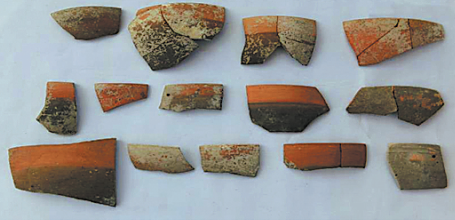
The Dengcaogouliang Site has yielded a remarkable array of artifacts that provide insights into the cultural practices of its ancient inhabitants. Among the most notable discoveries are pottery items, stone tools and jade artifacts. The selection of pottery, in particular, has garnered attention for its potential to represent a previously unknown archaeological cultural system. The plain, cylindrical pottery jars, devoid of glaze or paint, date back 8,000 years and are key indicators of different cultural types in Chinese archaeology. These artifacts offer invaluable clues about the societal norms and technological advancements of the people who once inhabited the area.
Structures
The site also boasts 26 unearthed architectural foundations, showcasing the evolution of dwellings in the region across different time periods. These foundations provide evidence of the architectural techniques and materials used by ancient builders. One striking discovery is a house built partly underground, dating back 5,100 years, which bears similarities to structures from the late period of the Yangshao Culture. Additionally, the remnants of a city constructed with stone and rammed earth, dating back approximately 4,000 years, have been excavated. This city featured thick walls, a defensive system and a network of roads, offering researchers critical insights into urban construction technology of the era.
Cultural Impact
The cultural impact of the Dengcaogouliang Site is significant in understanding the broader narrative of cultural development in ancient China. The artifacts and architectural findings suggest a dynamic interaction between different cultural groups, leading to unique and noticeable social developments in the region. Despite the influence of other powerful cultures, the site indicates a distinct cultural identity that emerged over time. The findings at Dengcaogouliang contribute to a deeper comprehension of the processes that shaped a shared community and fostered the development of a diverse civilization in North China.
Preservation and Conservation Efforts
Efforts to preserve and conserve the Dengcaogouliang Site are crucial in maintaining its historical and archaeological value. The National Cultural Heritage Administration has recognized the importance of the site and is committed to safeguarding its integrity for future research and educational purposes. Ongoing excavations and conservation initiatives aim to protect the site from environmental and human-induced threats while facilitating further exploration of its rich historical content. These efforts ensure that the site remains a vital resource for understanding the cultural and historical legacy of the region.








